WHAT ARE YOU LOOKING FOR?
WHAT ARE YOU LOOKING FOR?
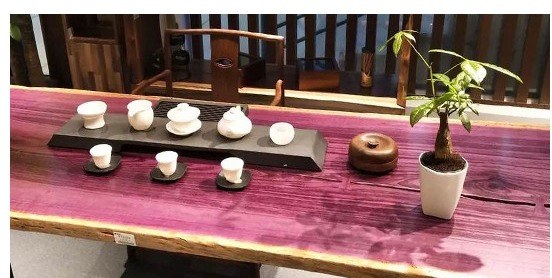
Just as human character comes in every temper, every wood has its own nature — some steady, some gentle, some unyielding, some bright.
The wood we meet today is a vivid, lively one. Welcome —
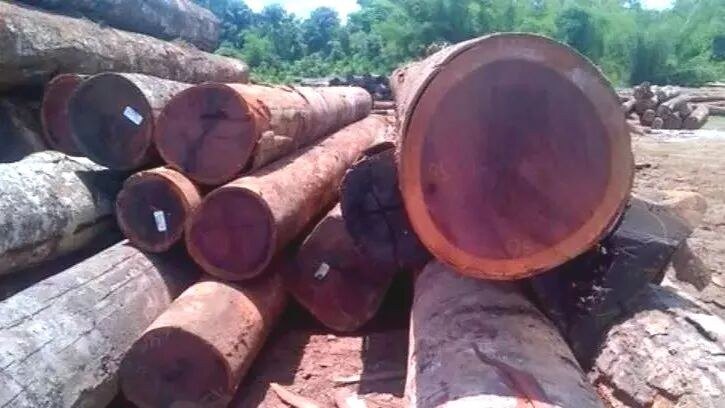
Purpleheart
Botanical name:
Peltogyne spp.
Also known as:
Violet wood, amaranth, nazareno, shield-stamen bean
This strikingly coloured wood comes from Latin America, mainly from southeastern Brazil up through northern South America; the Amazon basin is its principal range.
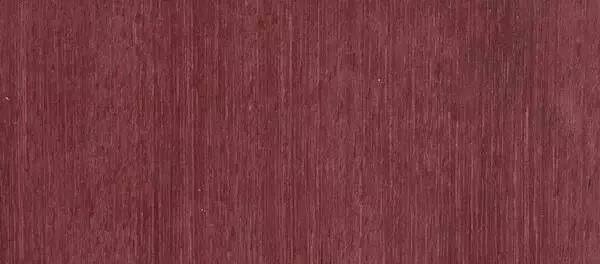
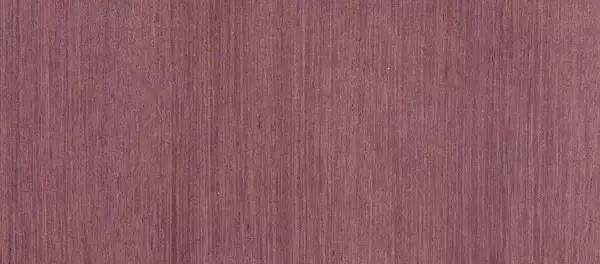
The name purpleheart comes from the distinctive purple-brown of its heartwood. In cross-section the sapwood and heartwood are clearly divided: the sapwood is near white and the growth rings only faintly visible, while the heartwood is a brilliant purple.
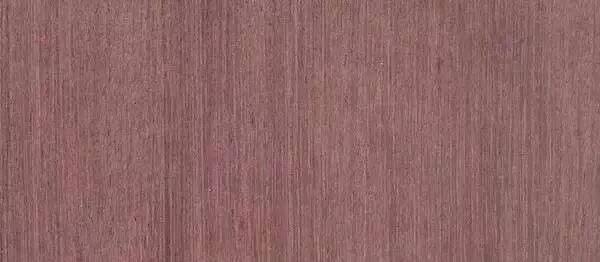
Freshly cut, the heartwood is in fact dark grey or bright purple; with longer exposure to light it deepens into a dark aubergine, then a purple-brown.
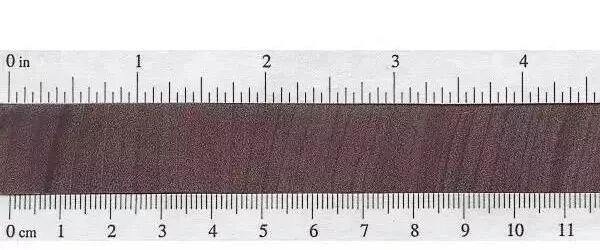
The change is driven largely by ultraviolet light in daylight. Under UV the heartwood darkens steadily and may even turn black. If you want to hold its vivid purple, protect it with a UV-blocking finish.
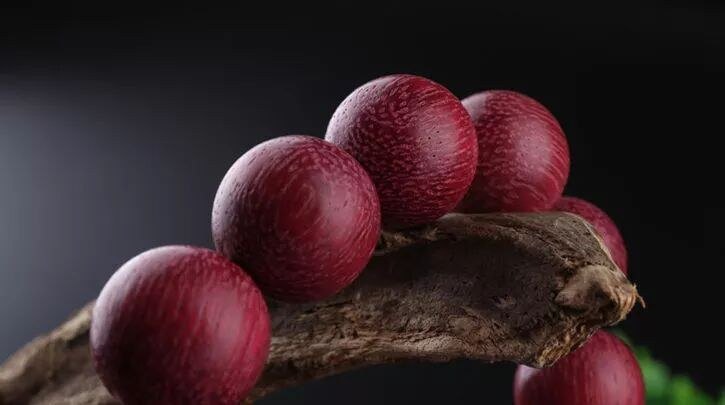
▲ Above: sanded purpleheart — three weeks of exposure on a sanded surface — and the shift on a lacquered surface
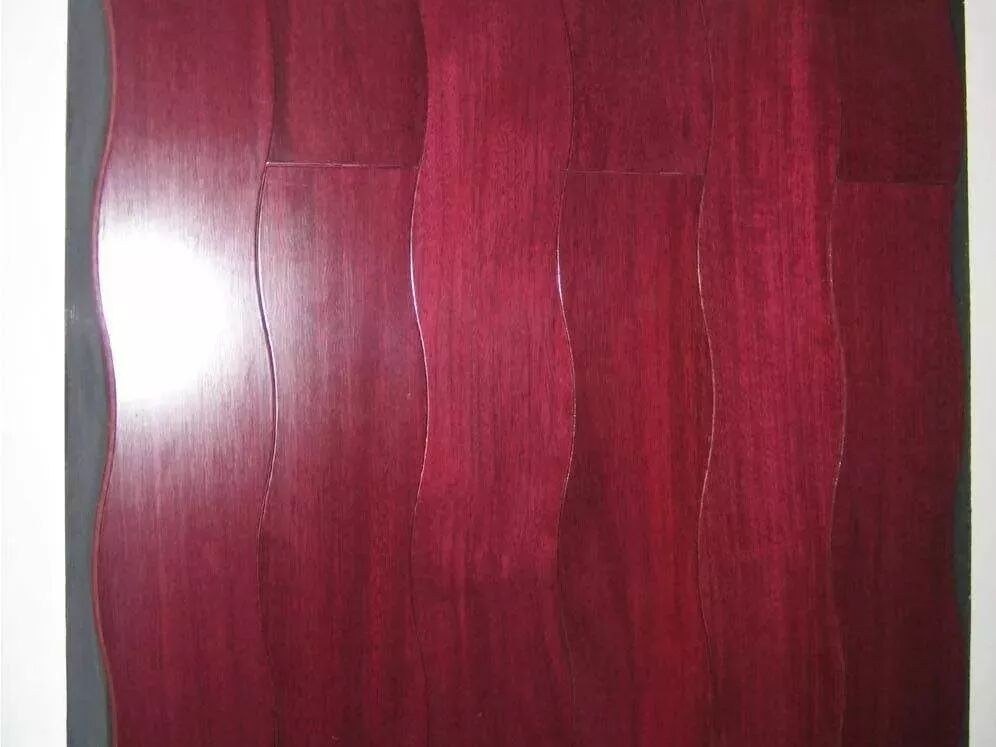
Colour varies from board to board, of course, and mineral content also affects the final tone.
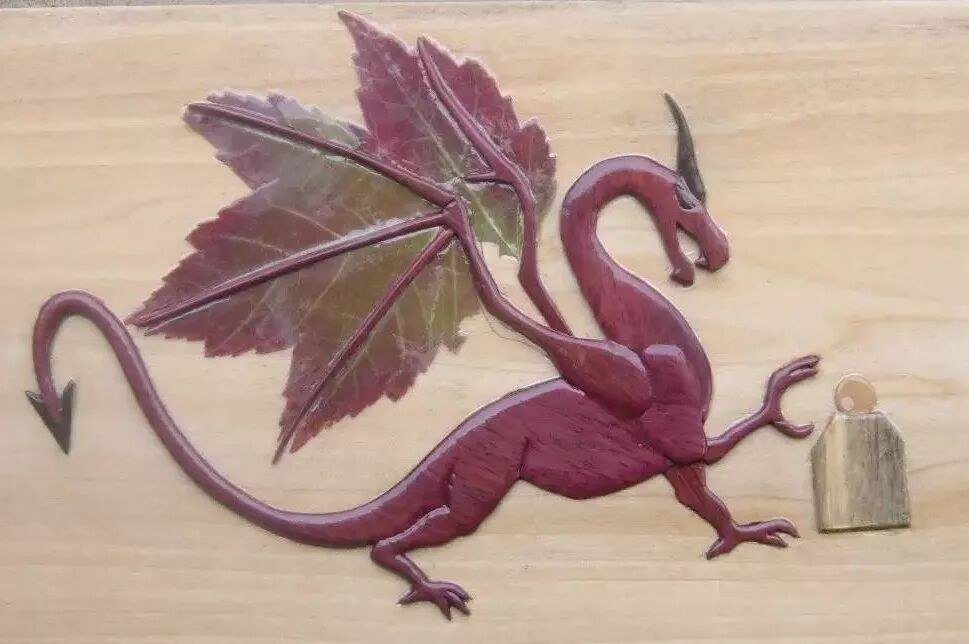
The heartwood is extremely durable, highly resistant to decay and insects, hard, dense and heavy — a hardwood with strong compressive strength, high stiffness and high bending strength.
The grain is straight, sometimes wavy or irregular; the rays need a magnifying glass to see. The texture is fine and the wood takes a high lustre.
▲ End-grain features
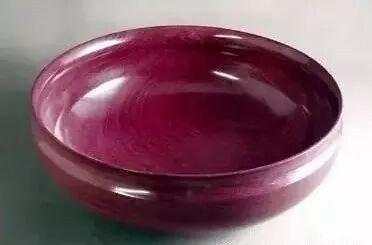
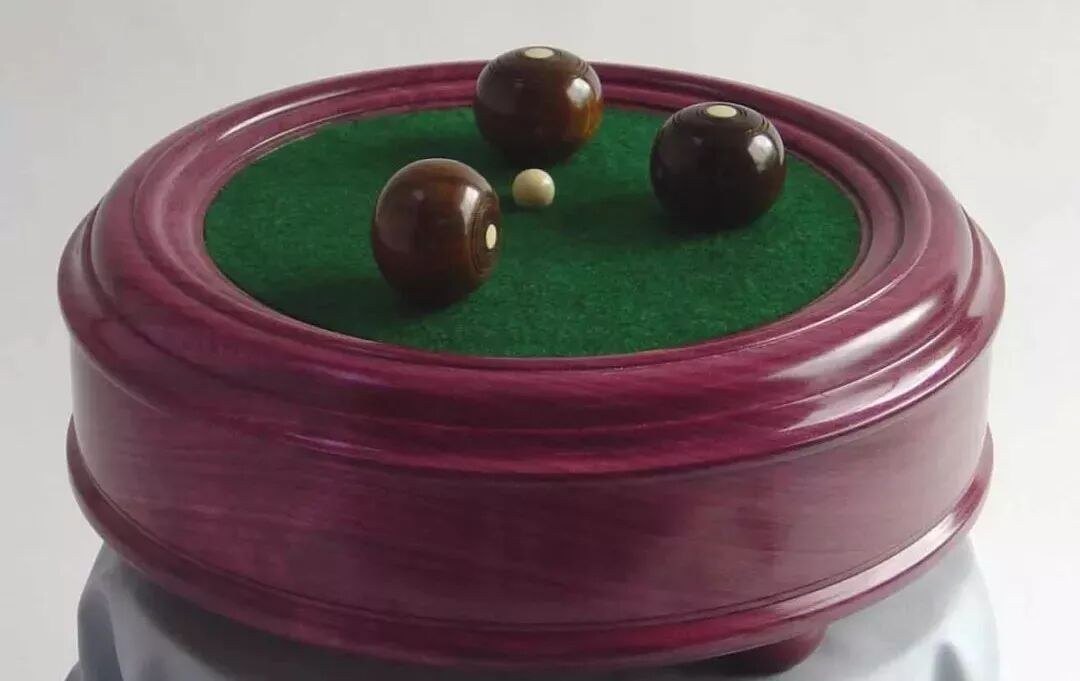
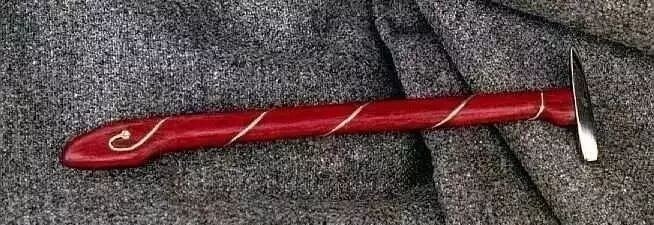
Its refined purple tone sets purpleheart apart, and it is used for premium furniture, turned work, carving, pool cues, handles and decorative veneer, as well as for inlay, boatbuilding and bridge work.
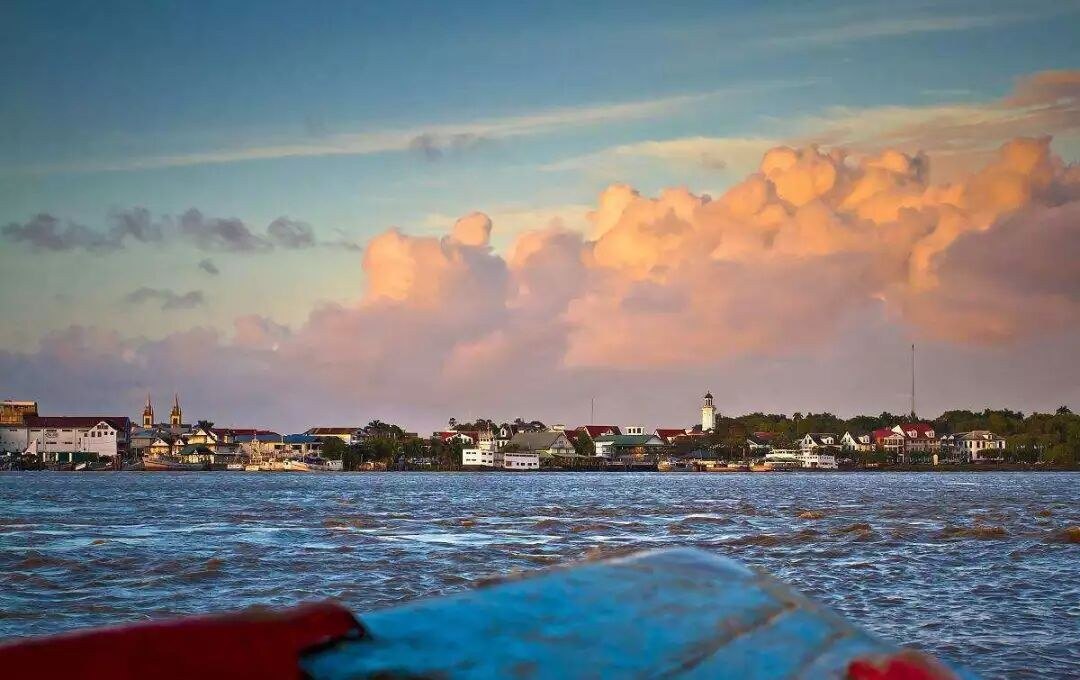
Suriname is the smallest country in South America: French Guiana to the east, Brazil to the south, Guyana to the west and the Atlantic to the north. This beautiful nation in the southern hemisphere has an average annual temperature of 23–27°C and rainfall above 2,000 mm — a tropical rainforest climate, and ideal for purpleheart.
Purpleheart from Suriname has a fine, even structure, high strength, low shrinkage and high decay resistance.
But quality purpleheart also means it is hard to work — not only by hand but by machine, which calls for better tooling. A dull cutter overheats the wood, and purpleheart exudes a gummy resin that slows the work and spoils the finish.
▲ Winged pores in purpleheart
Enter the mini-program to consult our store team
Or call the WOOD service line directly: 400-0591-015
Discover more purpleheart in store

SEELAND WOOD LTD
B Block, Southern Ninth Street, Qiaotou Town, Dongguan city, Guangdong Province, China